When choosing the best option for your home, understanding the differences between tank and tankless hot water systems is essential. Each type has its own set of advantages, drawbacks, and ideal applications. Whether you’re upgrading an old system or building a new home, knowing how these two compare will help you make an informed, cost-effective, and energy-efficient decision, if you’re considering hot water systems Townsville, understanding these differences will guide you toward the right investment for your household’s long-term comfort and efficiency.
How Hot Water Systems Work
Before diving into the comparison, it helps to know how these systems operate.
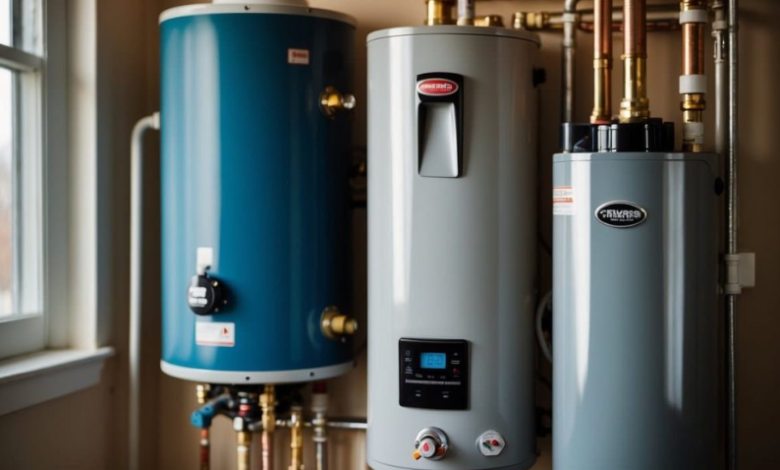
A storage (tank) hot water system heats a large quantity of water and keeps it in an insulated tank, ready for use. This means hot water is instantly available when you open a tap—but once the tank empties, you must wait for it to refill and reheat.
In contrast, a tankless (instantaneous) hot water system heats water only when needed. It activates when you turn on a tap, providing a continuous flow of hot water without relying on a stored supply. Because there’s no tank, there are no “standby losses,” which occur when stored water gradually loses heat.
Advantages of Tank Systems
Tank-based systems have been the standard for decades and remain popular for their simplicity and reliability.
- Lower upfront cost: Traditional storage systems are often cheaper to purchase and install, making them ideal for homeowners on a budget.
- Easy maintenance: With fewer complex components, tank systems are straightforward to service and repair.
- Reliable flow during high demand: Larger households may prefer the predictability of a tank system that stores enough hot water for back-to-back showers and laundry cycles.
- Compatible with off-peak tariffs: Electric tanks can be programmed to heat water overnight during cheaper electricity periods, reducing running costs.
However, tank systems are less energy-efficient, as they continually maintain water at a set temperature even when not in use. Over time, this constant reheating can increase energy consumption and utility bills.
Advantages of Tankless Systems
Tankless systems, also known as instantaneous or on-demand hot water systems, are becoming increasingly popular for their space-saving design and superior efficiency.
- Energy efficiency: These systems heat water only when required, minimizing wasted energy and lowering utility costs.
- Unlimited hot water: You’ll never “run out” of hot water, making it perfect for families with varying schedules or back-to-back showers.
- Compact design: Without a bulky tank, these units can be installed in tight spaces, on walls, or even outdoors.
- Longevity: Tankless models generally last longer than tank systems due to less corrosion and no risk of stored water damage.
While tankless systems excel in performance and efficiency, they require a higher upfront investment. They also depend on sufficient water pressure and appropriate flow rates to maintain consistent temperatures across multiple outlets.
See also: How Technology Is Driving Business Growth
Cost and Efficiency Considerations
When comparing costs, tank systems win on initial price, but tankless units often recover that difference through lower long-term operating expenses. Because tankless systems only heat what you use, they can save up to 30% in energy compared to traditional tanks.
However, in households with high, simultaneous water demand—such as multiple showers and appliances running at once—a single tankless system might struggle to keep up. In such cases, homeowners sometimes install two smaller tankless units to efficiently meet peak demand.
Maintenance and Durability
Both systems benefit from routine maintenance, but the type and frequency differ:
- Tank systems require periodic flushing to prevent sediment buildup that can reduce heating efficiency and shorten the tank’s lifespan.
- Tankless systems need occasional descaling, particularly in areas with hard water, to prevent mineral buildup in heat exchangers.
Overall, tankless systems tend to last longer—often up to 20 years—while tanks usually last 10–12 years. This longevity can make the higher upfront cost worthwhile for many homeowners.
Environmental Impact
Tankless hot water systems are typically the more sustainable option, as they consume less energy overall. By only heating water on demand, they reduce greenhouse gas emissions and help lighten the load on the power grid. Modern tankless systems can also integrate with solar panels or heat pumps, creating even greater efficiency gains.
Meanwhile, storage systems can be improved with proper insulation, smart controllers, and support for renewable energy (such as solar boosting) to reduce their environmental footprint.
Which System Is Right for You?
The right choice depends on your household size, budget, and energy goals.
- Choose a tank system if you want a simple, low-cost setup and don’t mind occasional standby losses.
- Choose a tankless system if you prefer efficiency, endless hot water, and have the budget for a higher initial investment.
In both cases, ensure professional installation and regular servicing to maintain performance, efficiency, and safety standards.
Final Thoughts
When comparing hot water systems Townsville homeowners often find that both tank and tankless systems have their place. A tank system offers reliability and affordability, while a tankless model delivers efficiency and convenience. By weighing upfront costs against long-term savings and considering household usage patterns, you can select a system that provides comfort, efficiency, and lasting value for years to come.